27 September 2026
Copycat Recipes for Applebee's, Cracker Barrel, and Olive Garden at Home
Applebee's Oriental Chicken Salad, Cracker Barrel meatloaf, and Olive Garden Zuppa Toscana made at home with step-by-step tested copycat recipes that nail the real flavors.
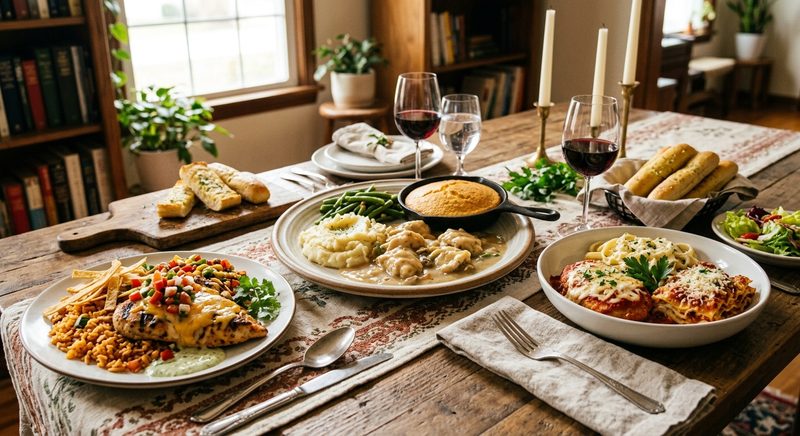
Restaurant tabs keep climbing while portions quietly shrink. But the craving for a specific bowl of Zuppa Toscana or a sweet-and-crunchy Oriental Chicken Salad does not shrink with them. All three of these chain restaurant staples translate well to the home kitchen, and none of them require restaurant equipment or specialty ingredients that are hard to locate in a regular grocery store.
Recipe Essentials at a Glance
- Applebee's Oriental Chicken Salad gets its signature crunch from chow mein noodles and sliced almonds, not just the chicken.
- Cracker Barrel meatloaf uses crushed Ritz crackers as a binder, adding a subtle buttery richness that plain breadcrumbs cannot match.
- Olive Garden Zuppa Toscana needs spicy Italian sausage, not mild, to balance the cream and the bitterness of the kale.
- Seasoning ratios matter more than technique in these recipes, and getting those right separates a close copy from the real thing.
- Most specialty ingredients have direct swaps that keep the final result close to the original.
Applebee's Oriental Chicken Salad: Getting the Crunch Right
This salad works because of its textures as much as its flavors. Warm fried chicken strips sit against cold crisp greens. Sweet mandarin orange segments contrast with crunchy noodles and toasted almonds. That combination of temperatures and textures is the whole point, and the honey-sesame dressing ties it all together.
Salad Ingredients and Steps
For the chicken, you need two boneless skinless chicken breasts, one egg, half a cup of milk, half a cup of all-purpose flour, half a cup of cornstarch, salt, black pepper, and enough oil for frying. For the salad base, use one head of romaine lettuce, one cup of shredded red cabbage, two medium shredded carrots, one drained can of mandarin oranges, a quarter cup of sliced almonds, and one cup of crispy chow mein noodles. The dressing calls for three tablespoons of honey, one and a half tablespoons of rice wine vinegar, a quarter cup of mayonnaise, two teaspoons of Dijon mustard, one teaspoon of sesame oil, and a pinch of black pepper.
Slice the chicken into strips about half an inch thick. Whisk the egg and milk in one bowl. Combine the flour, cornstarch, salt, and pepper in a second bowl. Dip each strip in the egg wash, then coat it in the flour mixture. Fry in 350°F oil for about four minutes per side until the coating turns a deep golden brown. Transfer to a paper towel-lined plate to drain. While the chicken finishes, whisk all the dressing ingredients together until smooth. Chop the romaine into bite-sized pieces and toss with the cabbage and carrots. Lay the chicken strips over the greens, then add the mandarin oranges, almonds, and chow mein noodles across the top. Dress it right before serving, not before.
The chow mein noodles are the non-negotiable element here. Do not substitute croutons or peanuts. The specific crunch those noodles provide is the part people recognize when they take a bite and say it tastes exactly like the restaurant version. Without them, the salad is good. With them, it is that salad.
Cracker Barrel Meatloaf: Why the Cracker Choice Changes Everything
Cracker Barrel's meatloaf has a texture that stands apart from standard diner versions. It is denser than a casual home loaf but moister than most recipes built on plain breadcrumbs. The Ritz crackers are what create that difference, and the tangy glaze on top is what keeps people requesting it at the table.
Meatloaf Ingredients and Steps
You will need two pounds of 80/20 ground beef, one full sleeve of Ritz crackers crushed to fine crumbs, one medium onion diced small, half a green bell pepper diced small, two eggs, a third of a cup of whole milk, one teaspoon of salt, half a teaspoon of black pepper, and one teaspoon of garlic powder. For the glaze, stir together a third of a cup of ketchup, two tablespoons of brown sugar, one tablespoon of yellow mustard, and one tablespoon of apple cider vinegar.
Ritz crackers hold more fat than standard breadcrumbs. That fat keeps the interior of the loaf moist during the long bake and adds a faint buttery richness that is easy to taste but difficult to identify. Standard breadcrumbs do not replicate it. If you have made a homemade meatloaf that tasted slightly flat compared to Cracker Barrel's, this is usually the reason.
Heat the oven to 350°F. Combine the beef, cracker crumbs, onion, bell pepper, eggs, milk, and all seasonings in a large bowl. Mix until just combined, stopping as soon as everything is evenly distributed. Overworking the mixture makes the loaf dense and tough. Pack it into a 9x5 loaf pan or shape it free-form on a rimmed baking sheet. Spread half of the glaze over the top before it goes into the oven. Use a meat thermometer and check for the safe minimum internal temperature of 160°F for ground beef, starting at the 50-minute mark by inserting the thermometer into the thickest part. Once it hits 160°F, spread the remaining glaze over the top and let the loaf rest for ten minutes before slicing. That rest allows the juices to redistribute. Cutting too early makes it fall apart on the plate.
Olive Garden Zuppa Toscana: Three Flavors That Have to Stay in Balance
This soup has three competing flavor profiles. Rich and fatty from the sausage and cream. Salty and smoky from the bacon. Slightly bitter and earthy from the kale. Each one keeps the other two in check. Pull any one of them back too far and the whole soup collapses into something flat and one-dimensional.
Soup Ingredients and Steps
Gather one pound of spicy Italian sausage with casings removed, four strips of bacon chopped into small pieces, one medium yellow onion diced, four garlic cloves minced, four cups of chicken broth, three cups of water, four medium russet potatoes sliced thin at about a quarter inch, two cups of heavy cream, three cups of kale with stems removed and leaves torn into rough pieces, salt, black pepper, and red pepper flakes to taste.
Start the bacon in a large pot over medium heat and cook until crispy. Remove it and set it aside but leave the rendered fat in the pot. Add the sausage and cook through, breaking it up into small crumbles as it browns. Remove the sausage and pour off most of the fat, leaving just a thin layer coating the bottom. Cook the diced onion in that remaining fat until it softens and turns translucent, about five minutes. Add the garlic and let it cook for one minute more. Pour in the broth and water, then add the sliced potatoes. Bring everything to a boil and cook until the potatoes are tender but not falling apart, roughly 15 minutes. Lower the heat before stirring in the heavy cream. Add the kale and cook just until it wilts. Return the sausage and bacon to the pot. Taste for seasoning and adjust with salt, black pepper, and red pepper flakes until the soup carries a clear heat and a distinctly smoky, creamy backbone.
Mild sausage will not carry this soup. The heat from the spicy variety cuts through the fat in the cream and prevents the kale's bitterness from going unbalanced. If you only have mild sausage on hand, add at least a teaspoon of red pepper flakes and a small pinch of fennel seeds to the pot to compensate.
Building the Right Flavor Base Before You Adapt a Chain Recipe
Most copycat attempts fall short at the seasoning stage, not the technique stage. The cooking methods for all three of these recipes are straightforward. The real difficulty is knowing which flavor elements actually drive each dish, and getting the ratios right before you commit to a final version.
Chain restaurants develop their most popular dishes through extensive testing and then standardize them for high-volume production. That process produces very specific flavor fingerprints: a precise ratio of sweet to acid in a glaze, a particular fat base that defines a dressing, a specific heat level that keeps a soup from tasting flat. When those ratios are even slightly off, the dish tastes like a close approximation rather than the real thing.
Cross-referencing original fast recipes these copycats are based on helps you pinpoint which seasonings and ratios actually drive the flavor. For the Oriental Chicken Salad, that means paying close attention to the honey-to-vinegar ratio in the dressing. For the meatloaf glaze, it means balancing the brown sugar against enough acid from the vinegar and mustard to prevent it from tasting cloying. For the Zuppa Toscana, it means getting the sausage heat, cream richness, and kale bitterness into the right proportion before adjusting anything else.
Once you identify those key flavor anchors, you can make adjustments with confidence. Add more honey to the dressing if it tastes too sharp. Push the red pepper up in the soup if it feels flat. The technique is just the delivery system. The flavor targets are what actually need your attention.
Ingredient Swaps for the Items Most Cooks Cannot Find
These are the six most common sticking points across these three recipes, along with the replacements that keep the final result closest to the original:
- Rice wine vinegar (Oriental Chicken Salad dressing): White wine vinegar works in a 1:1 ratio. Apple cider vinegar also works but adds a slightly fruitier note to the dressing. Avoid plain distilled white vinegar because it is too sharp for this application.
- Chow mein noodles (Oriental Chicken Salad): Crispy wonton strips are the best substitute and are sold near the salad toppings in most grocery stores. Dry uncooked ramen noodles crushed into pieces work as a backup, though they are slightly thicker and denser.
- Ritz crackers (Cracker Barrel meatloaf): Club crackers or any buttery round cracker crumble to the same texture and fat content. If only Italian breadcrumbs are available, use them but stir in a teaspoon of softened butter per half cup to replace the fat the crackers would have contributed.
- Spicy Italian sausage (Zuppa Toscana): Mild Italian sausage with a generous pinch of red pepper flakes and a small amount of fennel seed added directly to the pot gets close. It is not identical to spicy sausage, but the soup holds its character.
- Kale (Zuppa Toscana): Baby spinach is the most common swap. Add it in the final two minutes of cooking because it wilts much faster than kale. Swiss chard holds its texture longer and is a slightly better fit if you can find it.
- Heavy cream (Zuppa Toscana): Half-and-half produces a thinner, lighter soup that still tastes good. Fat-free substitutes tend to break under heat and make the broth grainy, so avoid them entirely in this recipe.
Three Chain Favorites That Are Now Yours to Make Any Night
None of these three dishes require a restaurant visit to satisfy the craving. They do not require professional technique or specialized equipment. What they require is attention to the specific details that make each version distinct: the right cracker in the meatloaf, the right sausage in the soup, the right noodles in the salad. Get those elements right and the rest of the recipe falls into place cleanly.
Make each one once and the process becomes familiar fast. The timing becomes intuitive. The flavors become a reference point you can adjust from, adding more garlic to the soup, pulling back the sweetness in the meatloaf glaze, pushing the sesame oil slightly higher in the dressing. A reliable base recipe is not a final destination. It is a starting point that gives you something solid to work from rather than guessing every time you start from scratch.
These three cover a wide range of cravings and hold up for both weeknight dinners and occasions where you want to put something recognizable and satisfying on the table without the tab that comes with eating out to get it.