Guide
A Practical Guide to Reverse-Engineering Restaurant Dishes
Unlocking the secrets of a restaurant dish doesn't require a culinary degree; it just requires a systematic approach to tasting and observation. By breaking a meal down into its core components—fat, acid, salt, and heat—you can replicate professional flavors on a weeknight budget.
Step 1: Document the Visuals and Aromatics
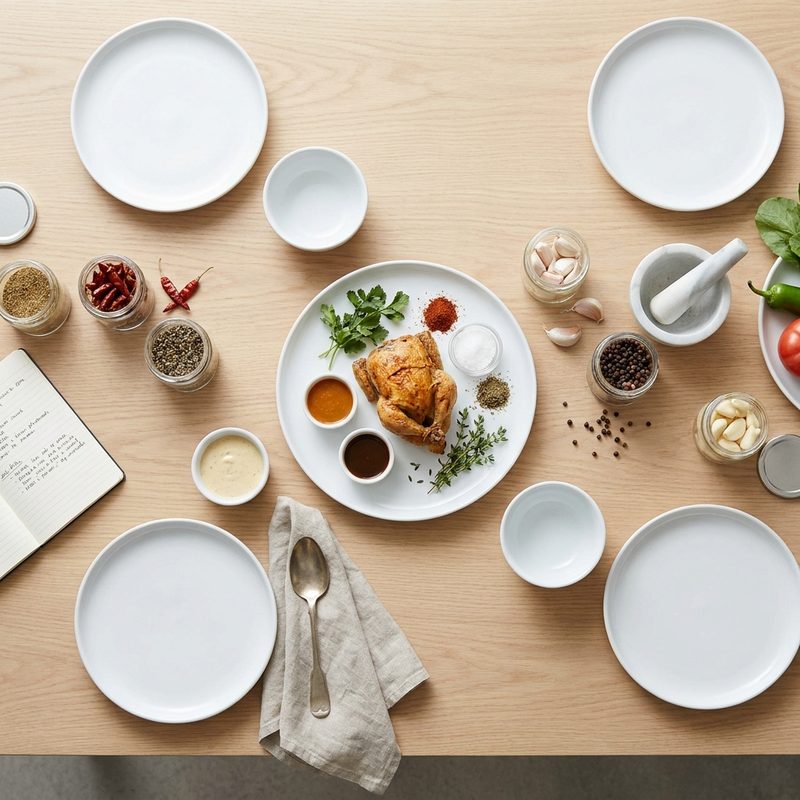
Before you take the first bite, analyze the plate. Note the size and shape of the vegetable cuts—are the onions minced into a paste or chunky? Look for visible herbs, whole spices, or oil slicks that suggest a specific fat was used. Smell the dish deeply to identify the 'top notes' like fresh citrus, toasted sesame, or pungent garlic. This visual and olfactory map provides the blueprint for your shopping list.
Step 2: Identify the Base Fat and Aromatics
The foundation of most restaurant dishes is the 'sofrito' or aromatic base. Taste a small portion of the sauce or the bottom of the bowl. Can you taste the richness of butter, the fruitiness of olive oil, or the neutral snap of grapeseed oil? Identify if the dish started with a base of onions, celery, carrots, ginger, or garlic. These ingredients are often cooked down until they disappear into the sauce, but their flavor remains as the 'body' of the dish.
Step 3: Decode the Balance of Acid and Sweetness
If a dish tastes vibrant and bright, it likely contains a hidden acid. Try to distinguish between the sharp tang of vinegar, the floral zest of citrus, or the fermented funk of yogurt or tamarind. Conversely, look for sweetness that balances heat or salt. Restaurants often use a pinch of sugar, a splash of mirin, or honey to round out savory flavors. If your home version tastes 'flat,' it is almost always lacking one of these two elements.
Step 4: Determine the Primary Cooking Method
The texture of the protein and vegetables will tell you how they were cooked. A deep brown crust suggests a high-heat sear or pan-fry. A tender, falling-apart texture indicates a low-and-slow braise. If the vegetables are bright but tender, they were likely blanched in salted water before being finished in a pan. Replicating the technique is just as important as replicating the ingredients to achieve the right mouthfeel.
Step 5: The Small-Batch Trial Run
When you are ready to cook at home, do not commit to a massive pot immediately. Start by making a small 'test' portion of the sauce or the main component. Adjust your seasoning—adding more salt, a dash of soy sauce, or an extra squeeze of lime—until the flavor profile matches your memory of the restaurant meal. Document your adjustments so you can scale the recipe up for a full family dinner.